Research Applications

Human-relevant scaffolds that replicate the complexity of living tissues, advancing regenerative medicine, cancer research, and drug discovery.

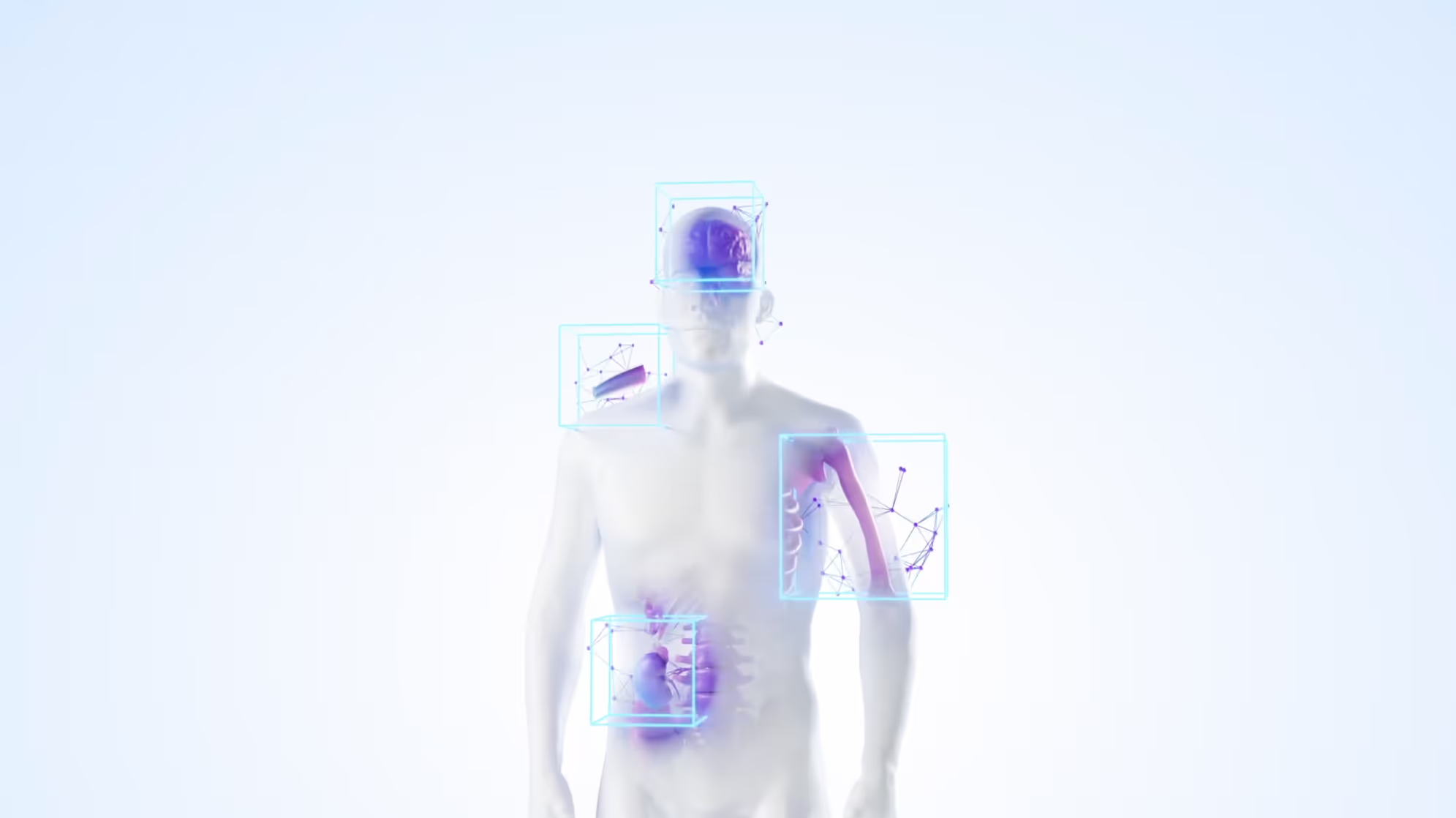
Regenerative Medicine

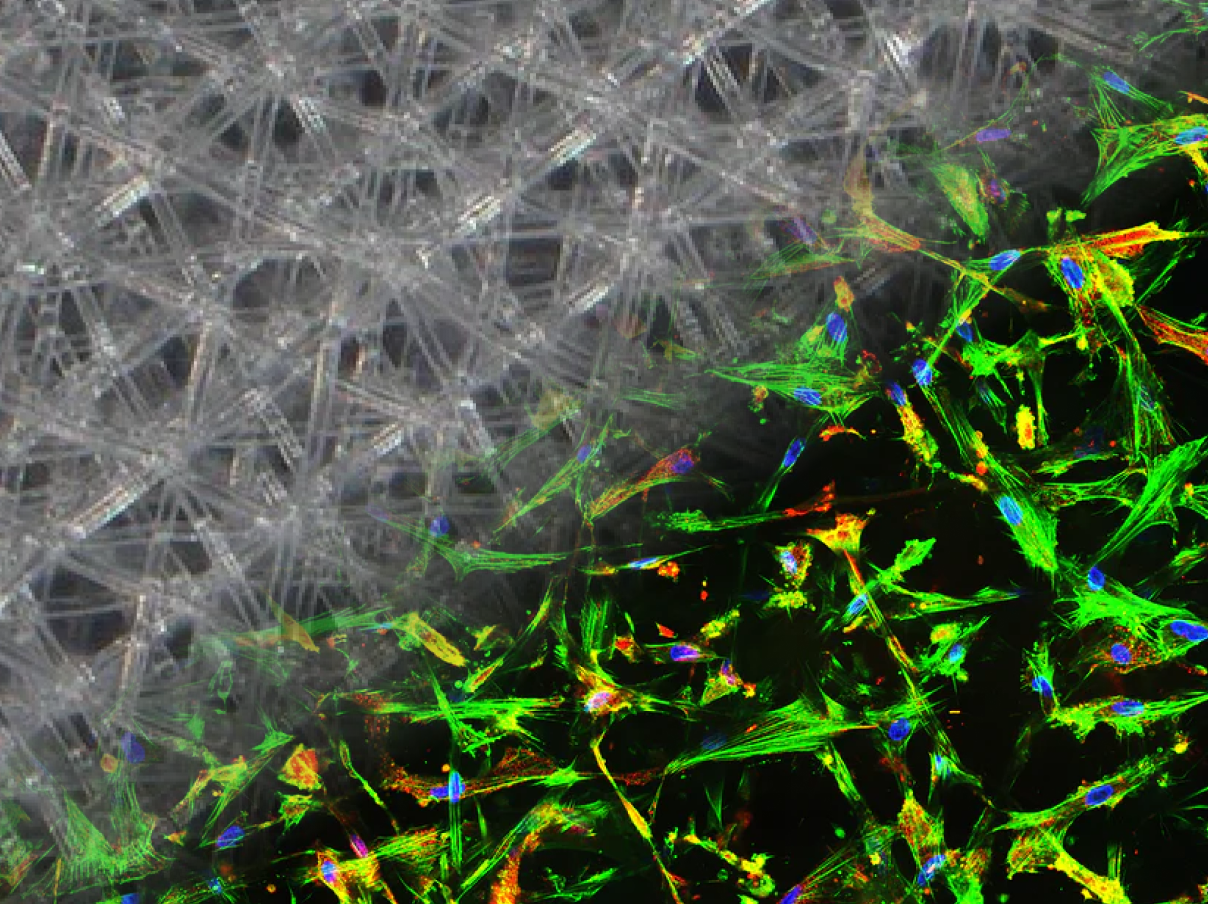
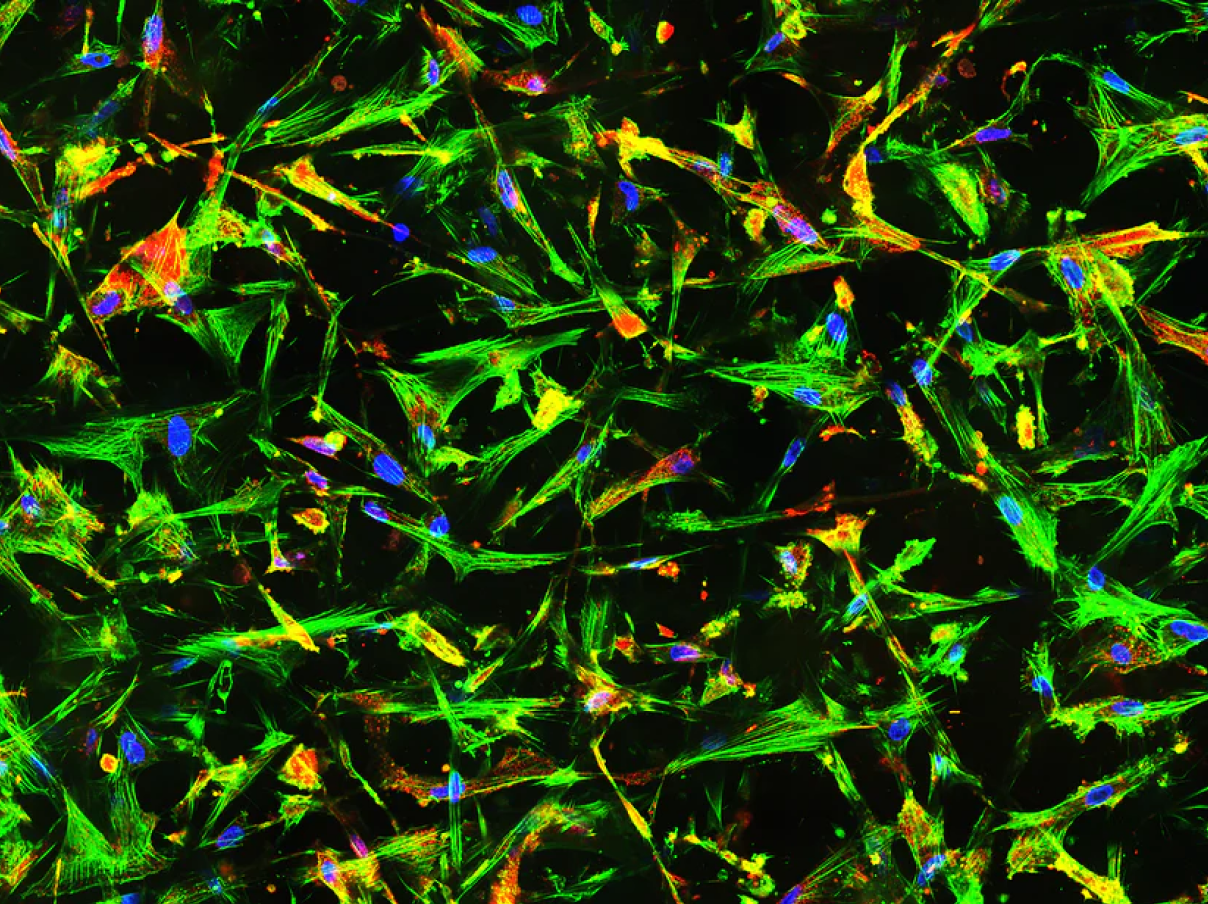
VivoTex scaffolds replicate complex tissue environments with precision, enabling regenerative studies and supporting therapeutic solutions.

SUPPORTED TISSUE TYPES

  • Musculoskeletal
  • Skin
  • Vascular
  • Cartilage

Explore research in advancing tissue regeneration.
Cancer Research

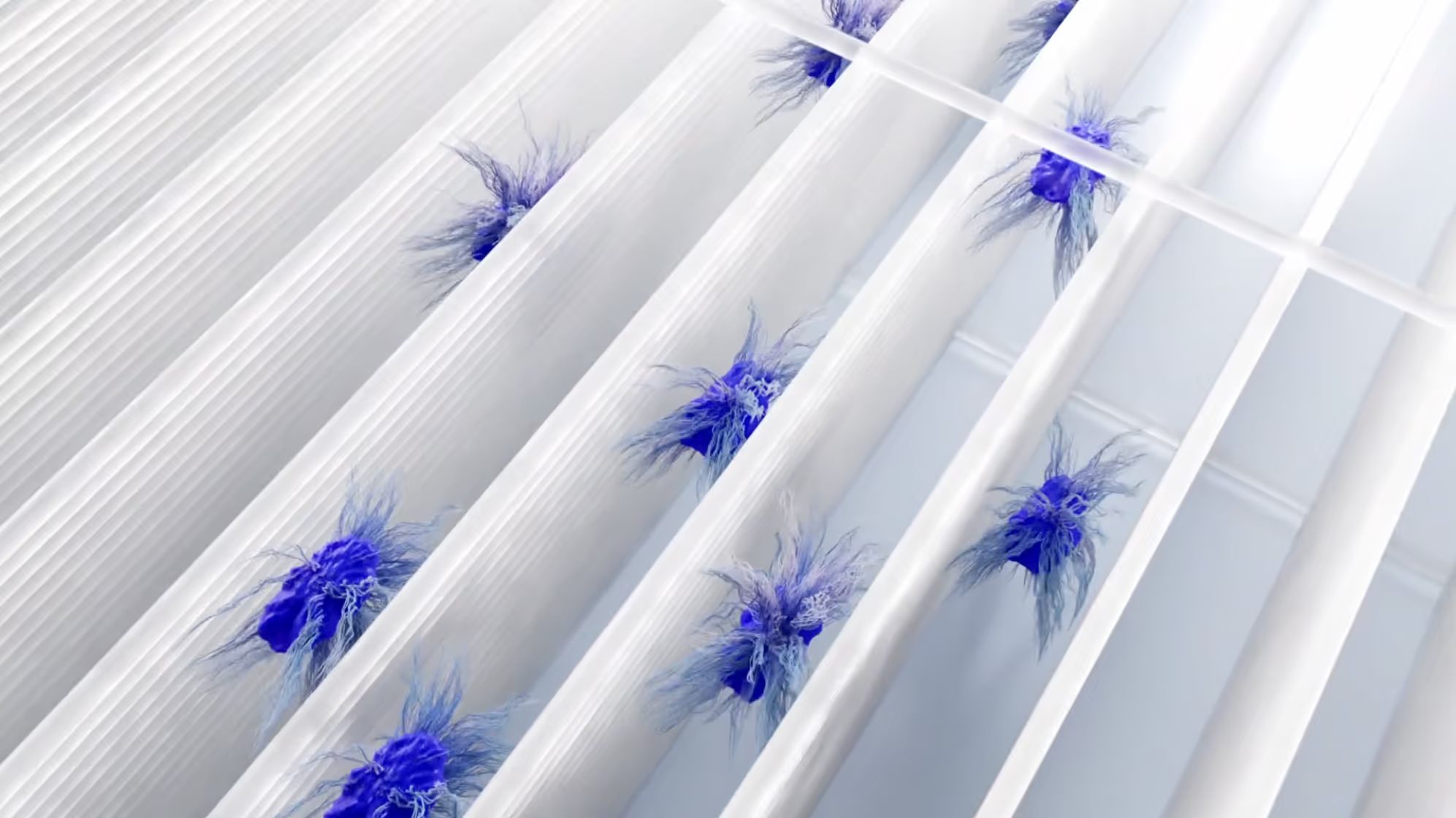
VivoTex scaffolds provide accurate tumor models that improve preclinical reliability, enable targeted therapy development, and reduce reliance on animal studies.

SUPPORTED TISSUE TYPES

  • Epithelial
  • Skin
  • Other Cancer Models

Explore research in tumor modeling and therapy.
Commonly Used Designs

Not sure which design fits your study? We’re happy to help. Contact us.

Drug Discovery

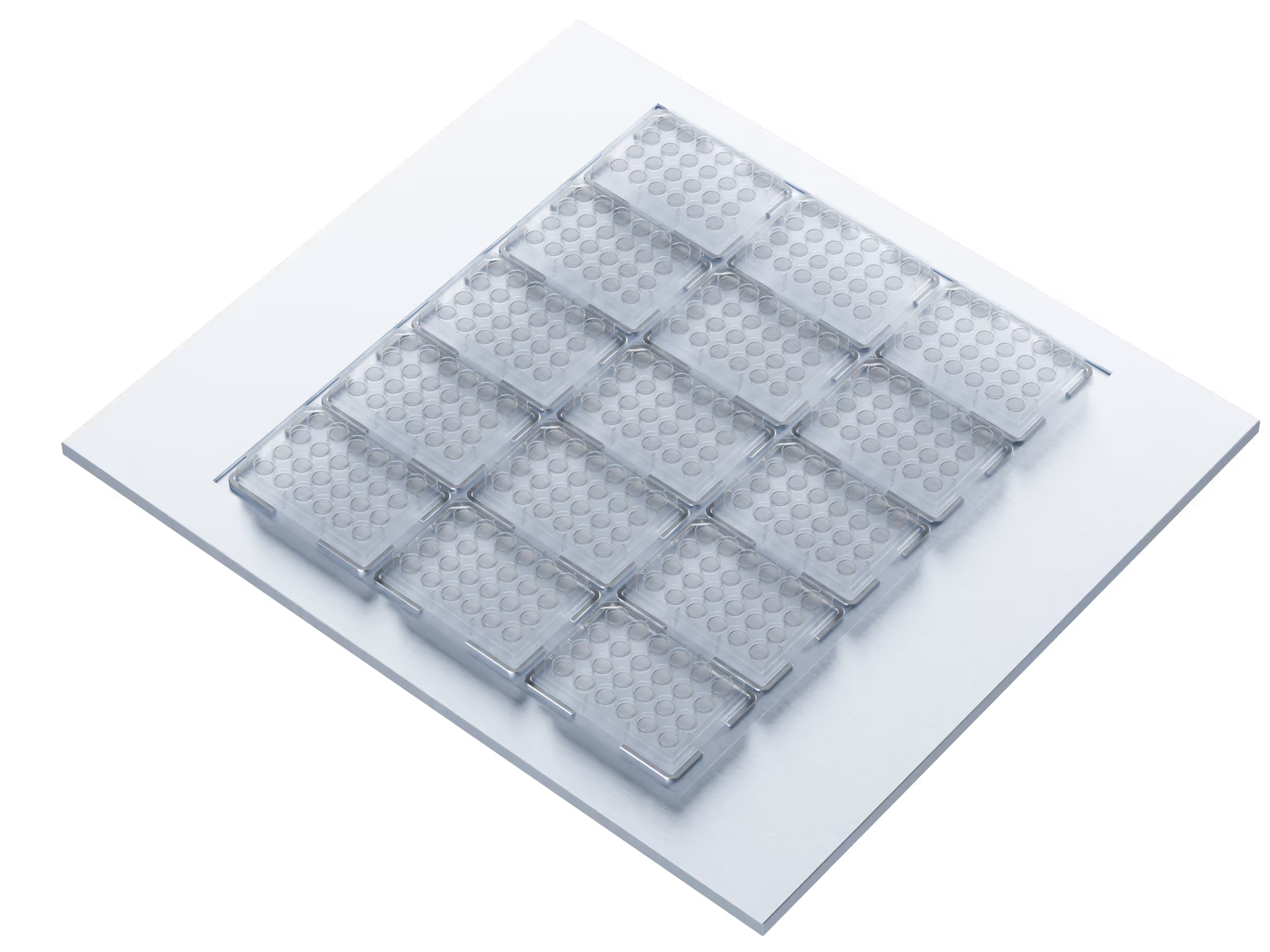
VivoTex scaffolds power reliable in-vitro drug models, improving predictive accuracy, safety insights, and discovery speed.

SUPPORTED TISSUE TYPES

  • Epithelial
  • Skin
  • Vascular
  • Multi-tissue / Organoid Systems

Explore research in drug discovery and testing.
Commonly Used Designs

Not sure which design fits your study? We’re happy to help. Contact us.

Research-Backed Tissue Applications

Cancer

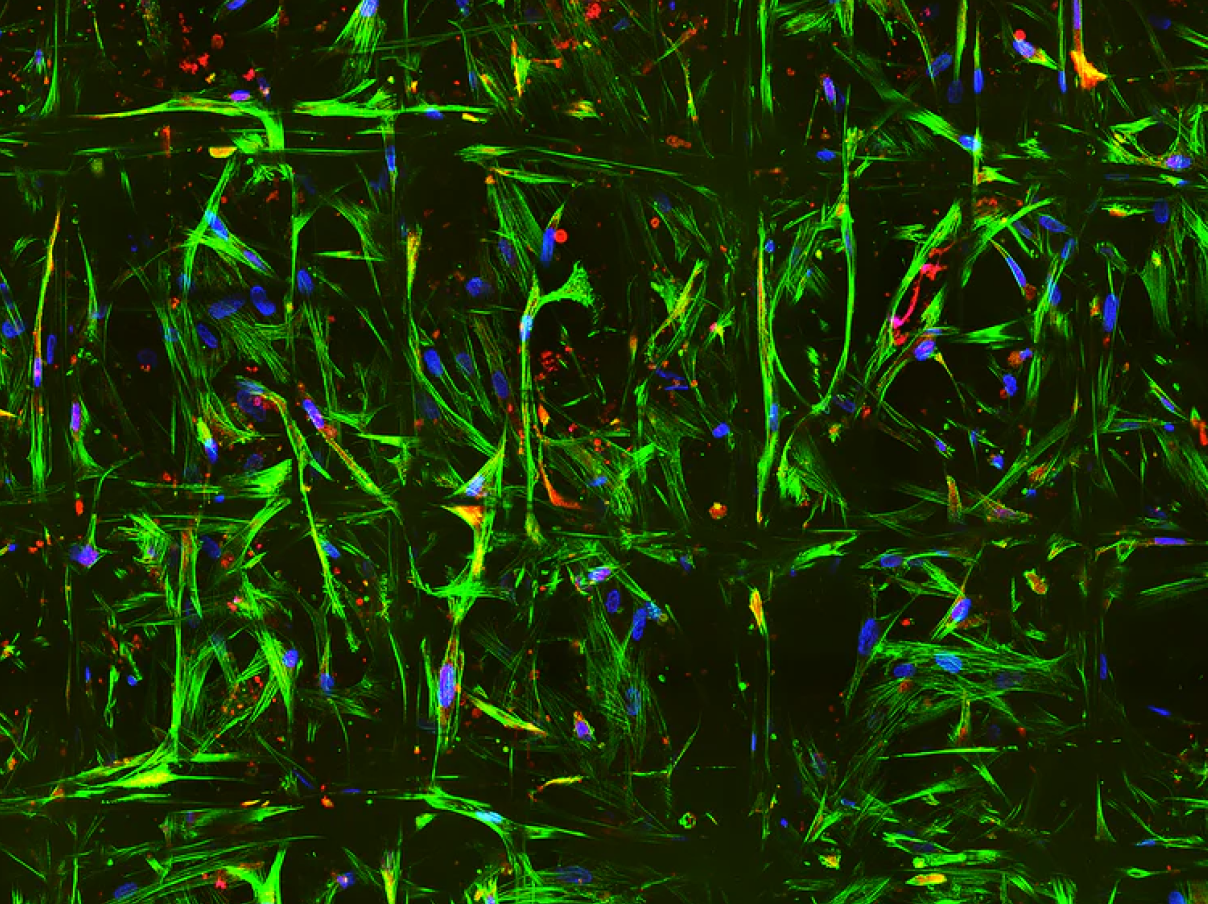
MEW fibers provides both mechanical and topographical cues that promote the growth of glial and glioma cells. Moreover, poly-ɛ-caprolactone (PCL) nanofibers promote the production of ECM proteins by the attached cells. The combination of MEW-scaffolds and hyaluronic acid hydrogels results in a platform for generating mature 3D cortical neuronal networks in a co-culture system with astrocytes. Other studies show MEW is effective in replicating and mimicking the morphology and function of the exocrine pancreas, which is relevant in pancreatic cancer research.
REFERENCES

Skin

MEW transforms skin research by overcoming the limitations of traditional models like hydrogels, which fail to replicate the complexity of natural extracellular matrix (ECM). Example studies show that MEW, when used in conjunction with other techniques, can help build full skin models and enhance skin wound healing.
REFERENCES

Bone

The combination of MEW techniques and hydrogels can produce scaffolds that are biomechanically and structurally suitable for bone resurfacing applications. The scaffolds demonstrated enhanced performance in terms of mechanical stability and the ability to facilitate cellular interactions.
Sample study shows composite scaffold significantly enhances cell viability, metabolic activity, and expression of osteogenic markers compared to PCL-only scaffolds, suggesting its potential application in bone regeneration strategies.
REFERENCES

Tendon & Ligament

Fabricated heterogeneous and hierarchical scaffolds created by combining embroidery and MEW could serve as effective substitutes for tendon and ligament reconstruction, providing a promising direction for tissue engineering applications. In addition, MEW can allow for the tailoring of pore design of embroidered structures to help enhance cell alignment in scaffold-based tendon reconstruction.
REFERENCES

Vascular

Research demonstrates the potential of MEW technology to createbioinspired scaffoldsthat replicate native blood vessel mechanics, enhance cell alignment and ECM deposition, and promote superior vascular regeneration, offering a promising strategy for developing synthetic vascular grafts and advancing tissue engineering solutions for vascular surgery.
REFERENCES

Dental

Research illustrates that MEW offers significant benefits in periodontal tissue engineering through highly structured, tissue-specific scaffolds that enhance cell alignment, attachment, and regeneration. Its precision in scaffold design supports functional periodontal restoration, improving treatment outcomes for periodontal disease. As a transformative technology in tissue engineering, MEW holds significant potential for advancing regenerative strategies in dental and craniofacial medicine.
REFERENCES

Supporting Researchers Across the Pipeline

Focused on Pre-Clinical Research, Built for Clinical Potential

VivoTex scaffolds are designed for the pre-clinical stage of the FDA research pipeline — supporting in-vitro studies, early validation, and translational discovery. Our precision-engineered scaffolds enable researchers to model complex tissue behavior with accuracy and reproducibility, generating insights that accelerate progress toward clinical development.

As our technology evolves, VivoTex aims to extend its impact into clinical applications, advancing regenerative treatments and personalized medicine with the same precision and reliability proven in pre-clinical research.

Ready-to-Use Tools and Reliable Results for Researchers and Lab Teams

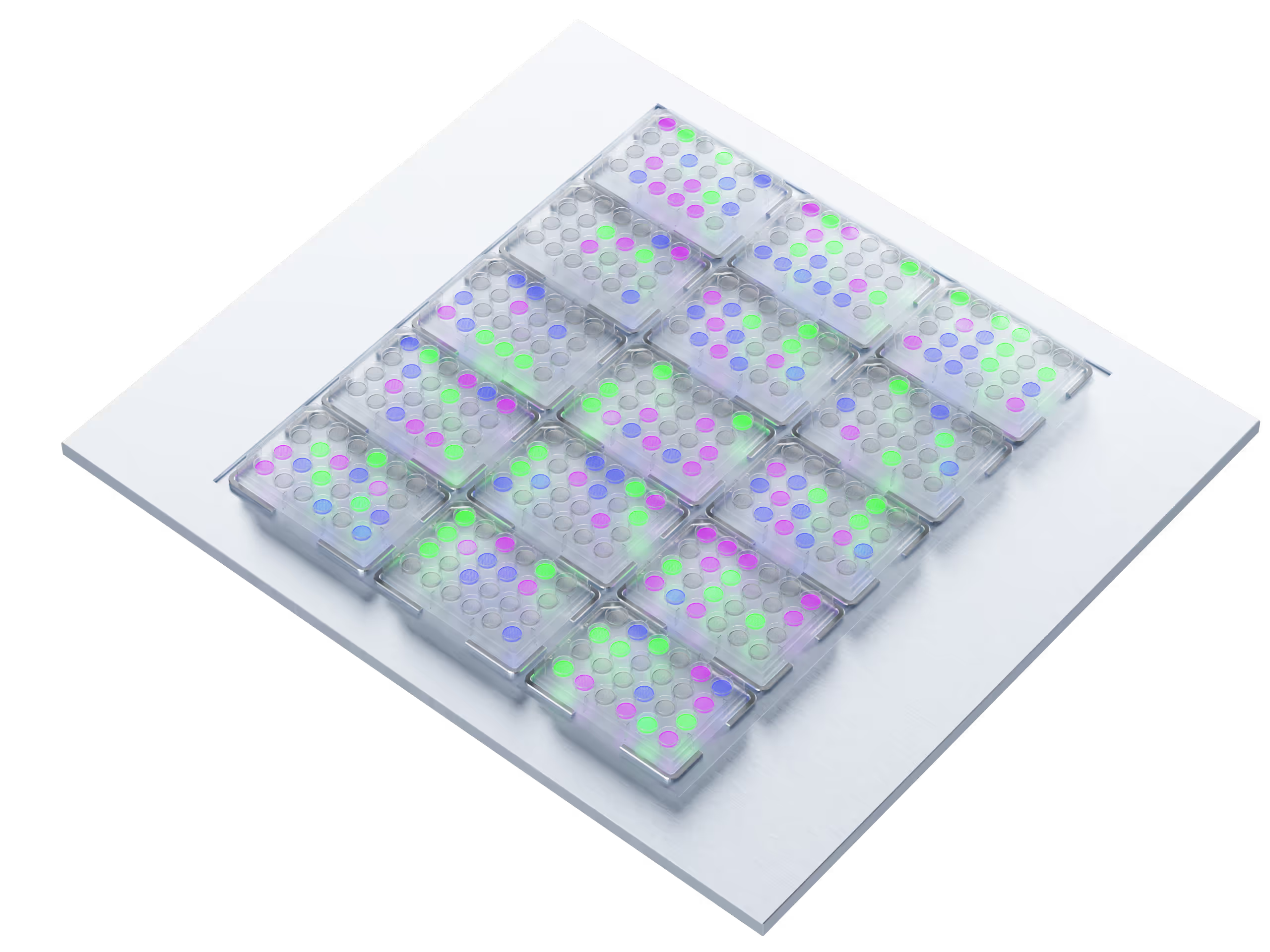
VivoTex scaffolds arrive pre-sterilized and ready for immediate use, reducing preparation time and eliminating additional fabrication steps. Their tunable microenvironments support more physiologically relevant cell behavior, enabling researchers to generate stronger, more reproducible data across experiments. Designed to integrate seamlessly into existing workflows, VivoTex scaffolds improve study consistency, increase confidence in early-stage findings, and help teams advance projects with models that bridge the gap between conventional 2D systems and biologically meaningful 3D outcomes.

Optimizing Research Systems and Processes for Bioengineers

VivoTex is designed for pre-clinical research — ideal for in-vitro testing, cell studies, and early-stage animal models before human trials.

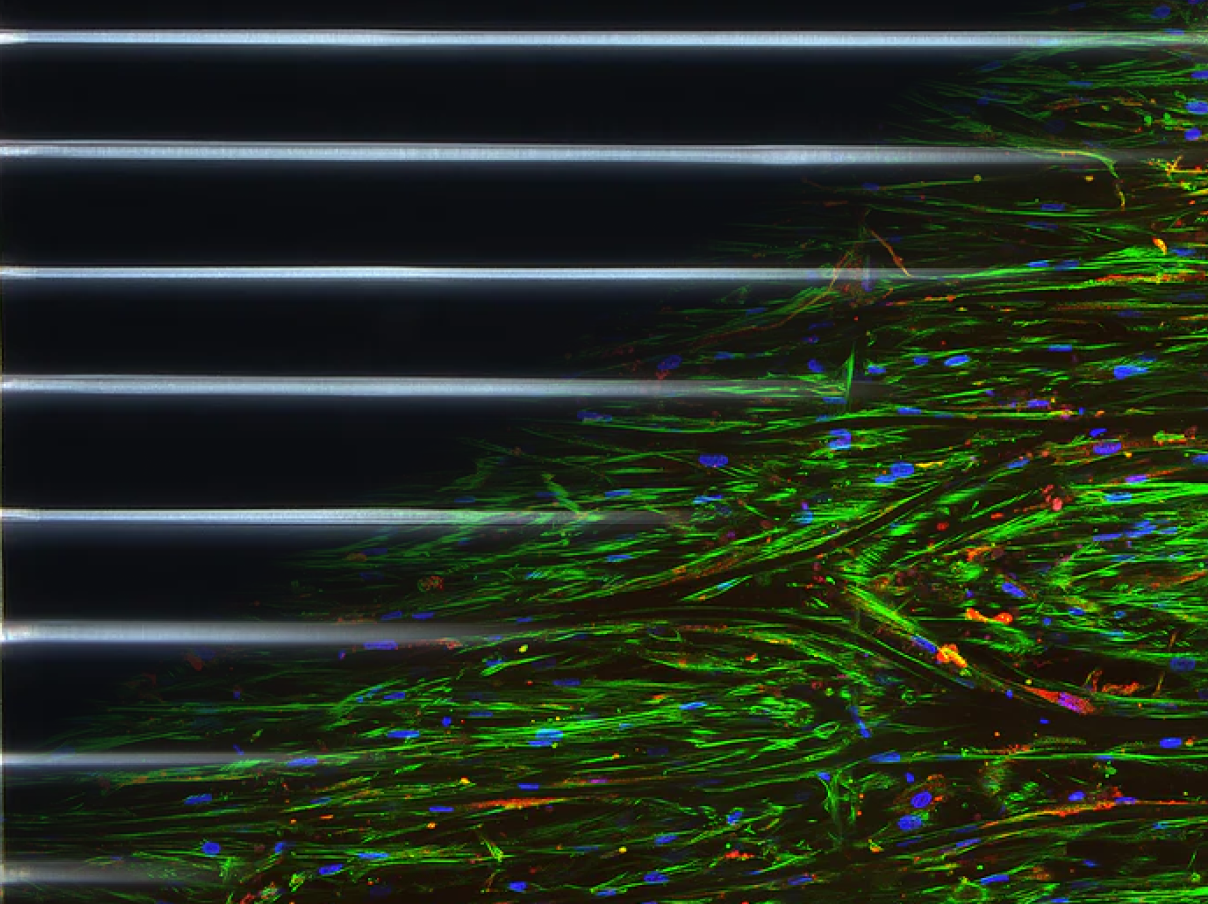
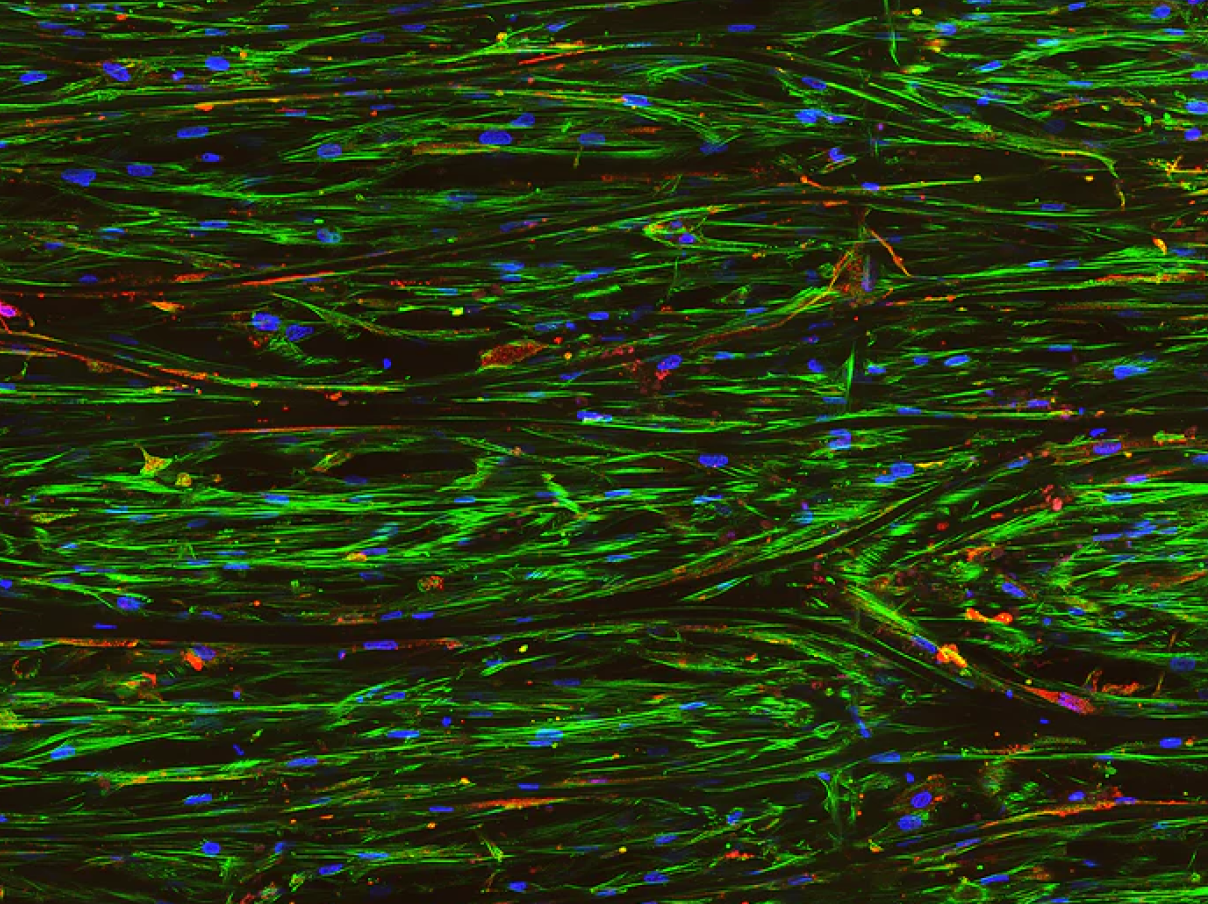
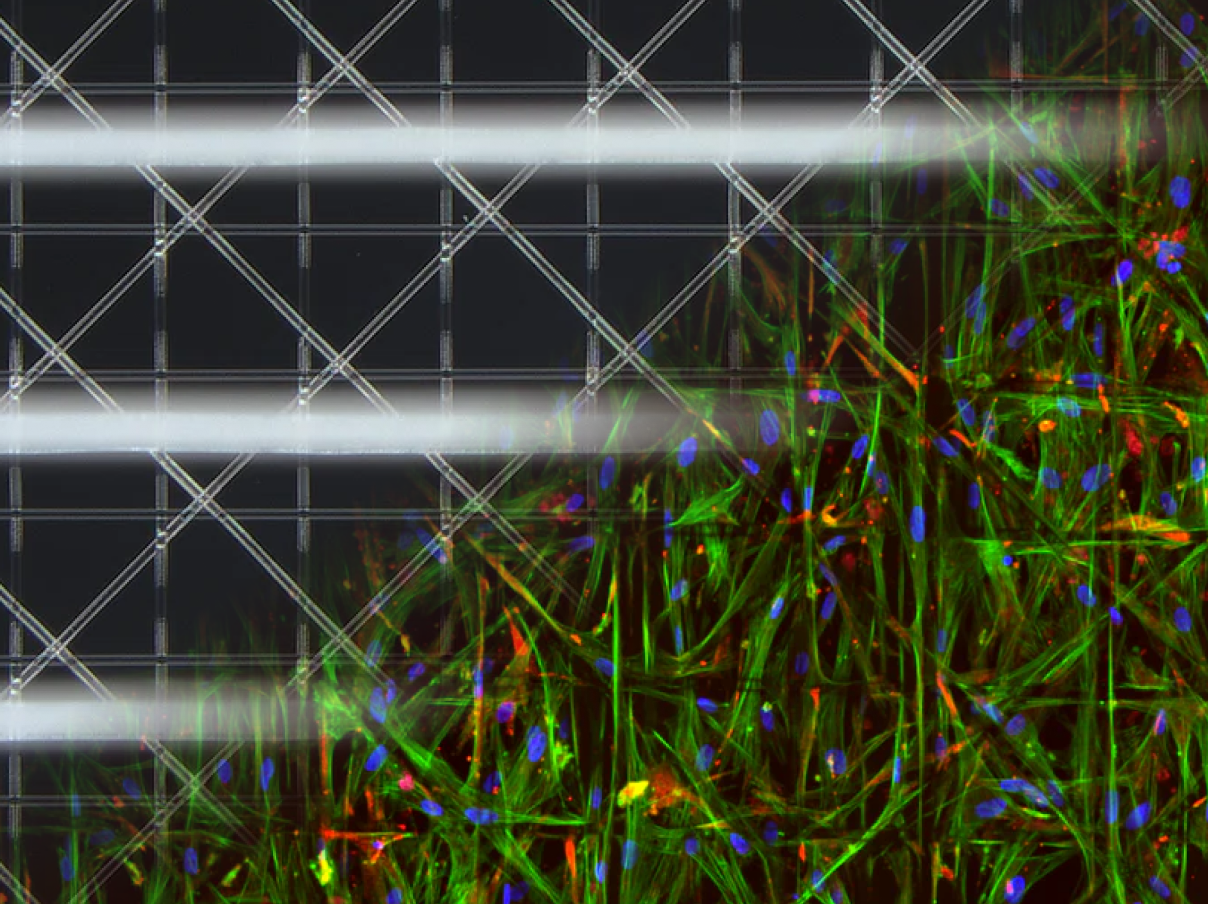
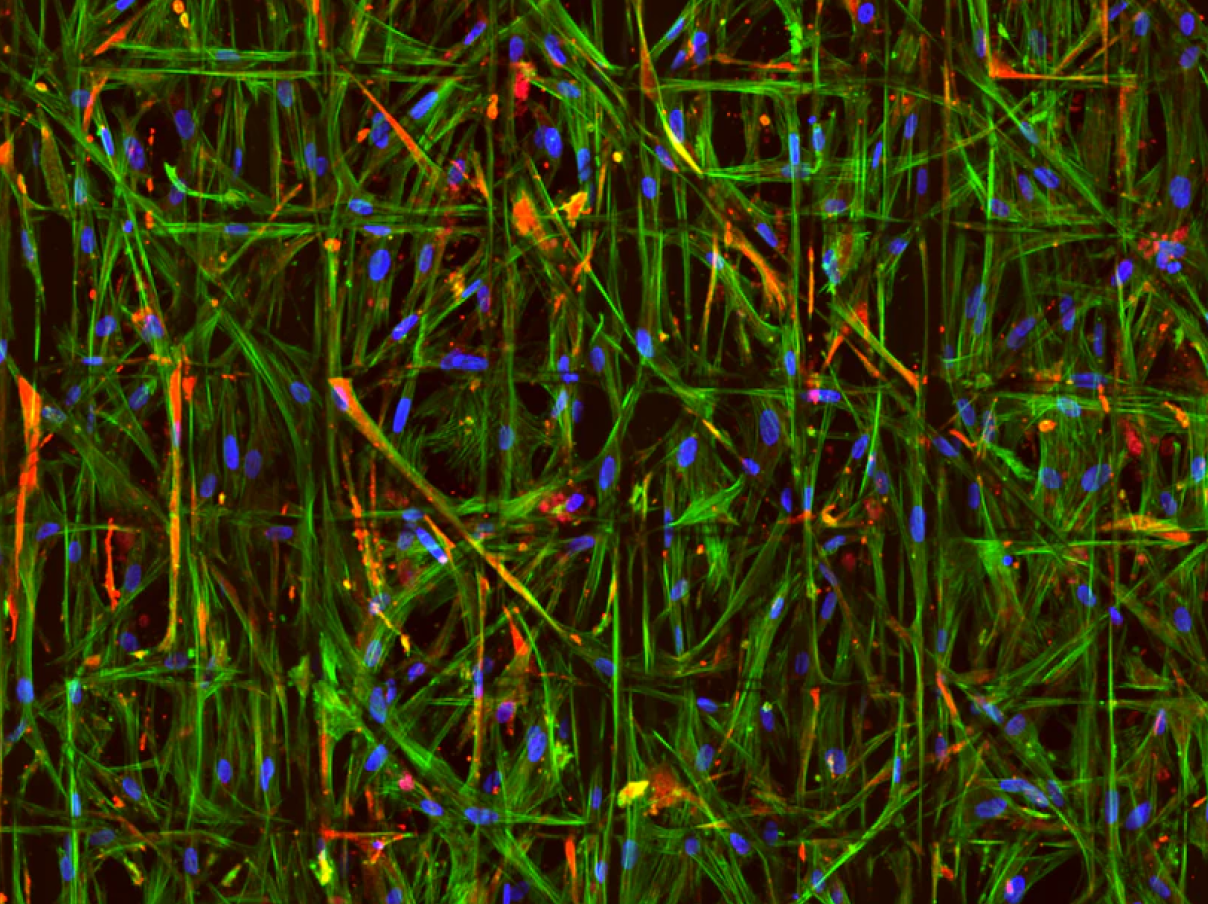
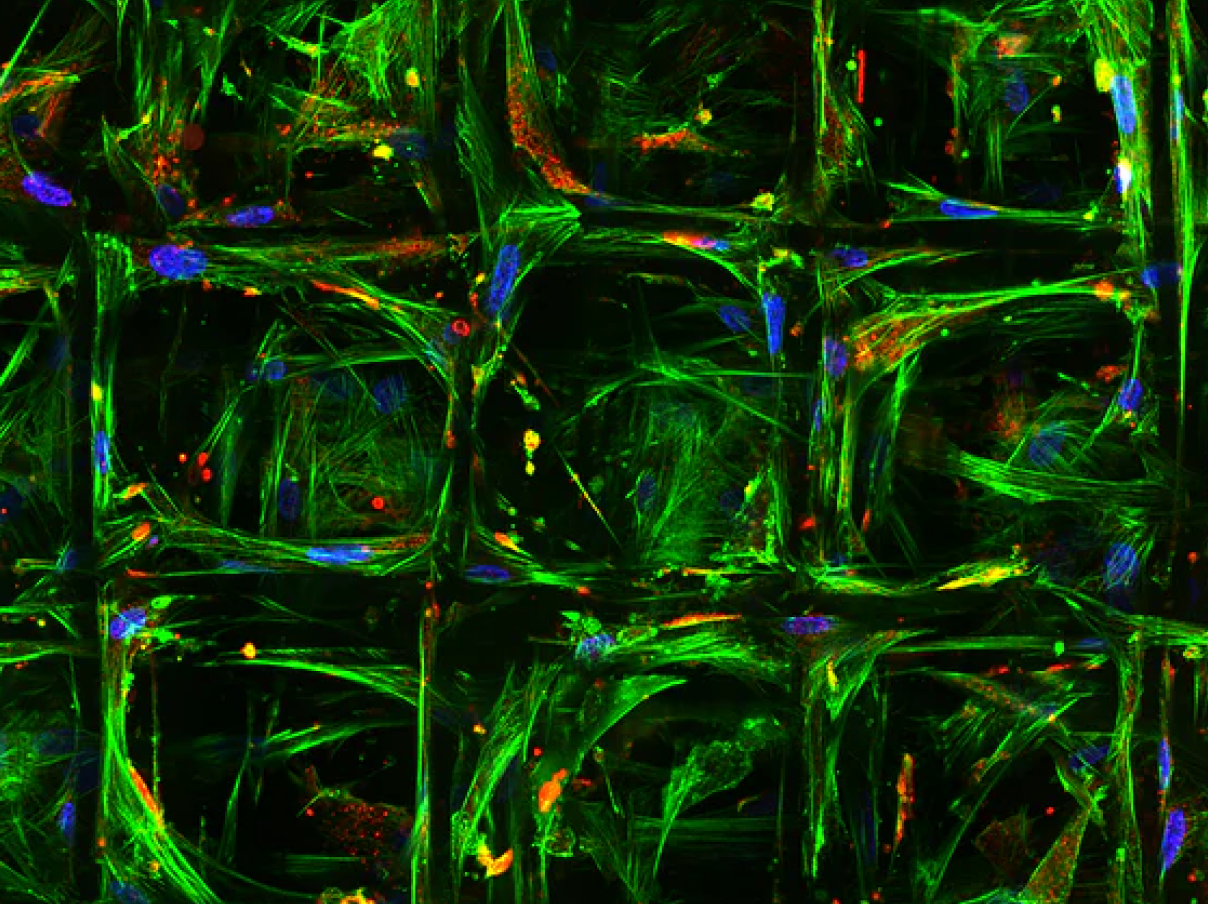
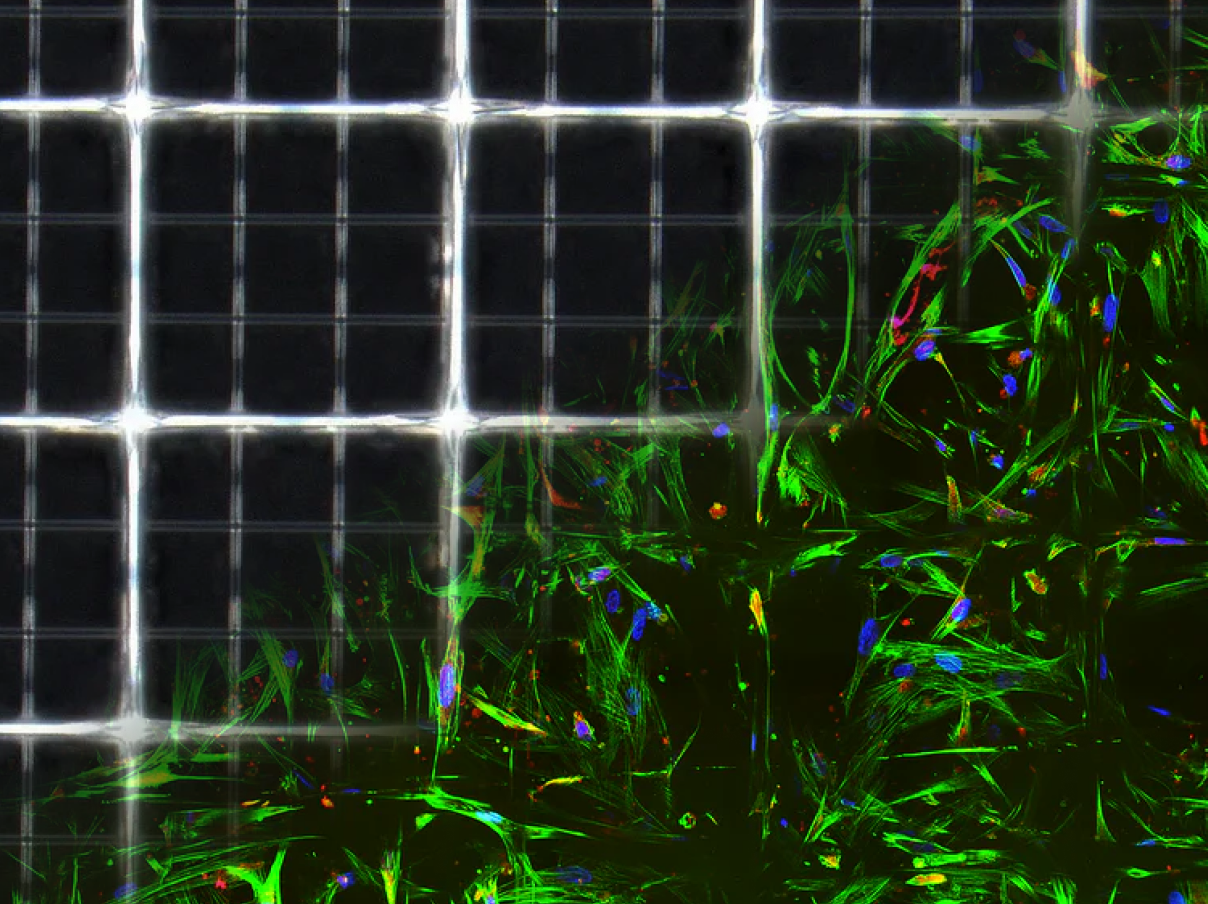
VivoTex scaffolds integrate seamlessly into pre-clinical research workflows, supporting consistent, reproducible cell growth and tissue modeling. With micron-level control over fiber placement and pore structure, they enable precise environmental tuning for studies focused on alignment, ECM interaction, and migration. Researchers can confidently evaluate biological responses and mechanical behaviors with scaffolds that bridge the gap between conventional 2D models and physiologically relevant 3D systems.